
 DENTAL CROWNS & BRIDGES
 DENTAL EXAMS & CLEANINGS
 FULL & PARTIAL DENTURES
 FULL MOUTH IMPLANTS
 GUM DISEASE THERAPY
 IMPLANT RESTORATION
 INVISALIGN
 IMPLANT PLACEMENT
 IMPLANT SUPPORTED DENTURE
 MOUTHGUARDS
 PORCELAIN VENEERS
 ROOT CANAL THERAPY
 SMILE MAKEOVER
 SEDATION DENTISTRY
 TEETH WHITENING
 TOOTH-COLORED FILLINGS
 WISDOM TEETH EXTRACTIONS
GUM DISEASE THERAPY

GUM THERAPY IN MCKINNEY, TX
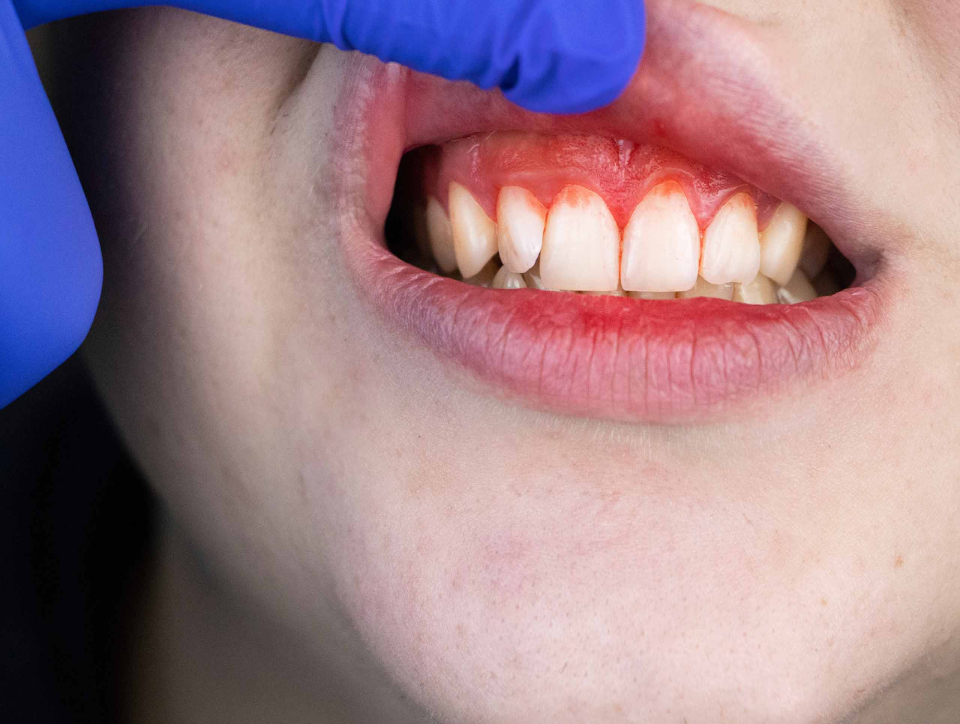
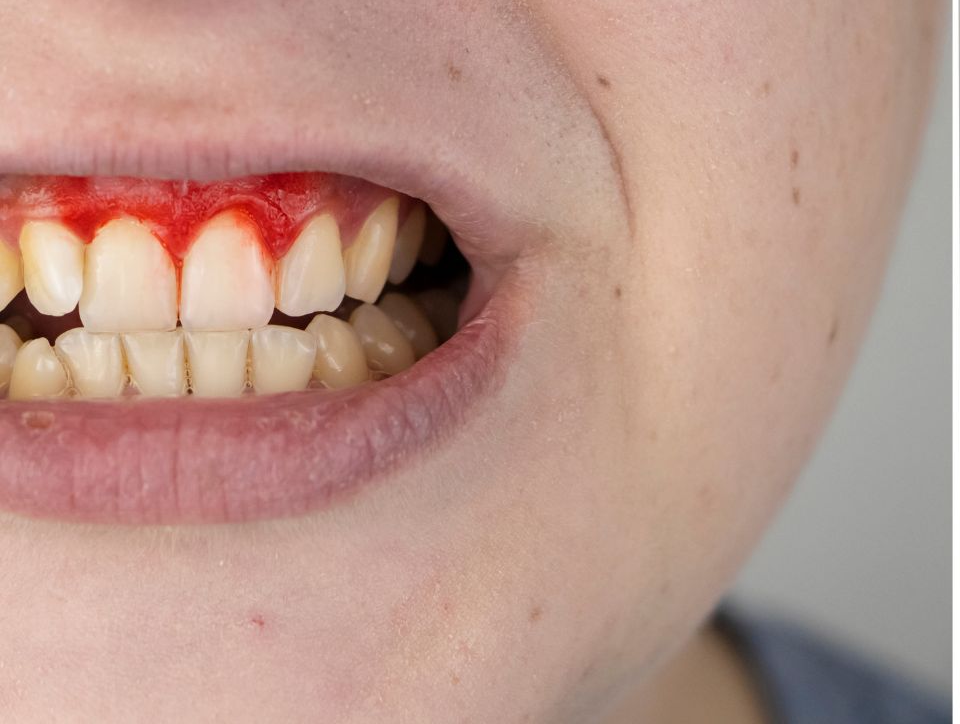
Gum disease, sometimes referred to as periodontal disease, is a dangerous, progressive infection and inflammation of the tissues around the teeth, including the alveolar bone, periodontal ligament, and gum tissues. It typically arises as a result of poor oral hygiene-induced plaque buildup around the gum line. Hormonal changes, ageing, smoking, and genetics are additional risk factors. Bone loss, loose teeth, and even tooth loss may result from the chronic condition’s harm to the tissues and bone that support your teeth.
Gum disease is common and often goes unnoticed by many people, even younger sufferers. Gum disease has been linked in studies to a number of severe illnesses, such as diabetes, heart disease, and stroke.
Common Sign Of Gum Disease Therapy
- Gums that are red, swollen, and sensitive
- Gum bleeding during flossing or brushing
- Bad breath that doesn’t go away or an unpleasant taste in your mouth
- Gums receding, making teeth appear longer
- Continual discomfort when chewing food
- Modifications to your teeth’s alignment or bite
- Pus or gum disease drainage
- Tooth loss and loose teeth
How Gum Disease is Treated with Gum Therapy in McKinney, TX
Scaling and root planing, a thorough dental cleaning, is the first line of treatment for gum disease. In order to encourage healing, it entails carefully scraping away plaque and tartar beneath your gum line and polishing the surfaces of your tooth roots. One of the best methods for slowing the progression of periodontal disease is non-surgical therapy.
Most patients need to schedule periodontal maintenance visits every three to four months after treatment. In order to maintain the health of your gums, these appointments include dental cleanings, gum tissue assessments, and any necessary intervention. Keeping up a proper oral hygiene regimen, which includes brushing and flossing on a daily basis, is crucial to managing gum disease.



FAQS
While early stages can be reversed with proper care, advanced gum disease (periodontitis) cannot be fully cured but can be managed effectively with ongoing therapy.
Most non-surgical treatments like scaling and root planing are performed under local anesthesia to minimize discomfort. Some mild soreness may follow but typically resolves quickly.
Initial deep cleaning may take one or two appointments. Long-term management involves regular periodontal maintenance visits every 3–4 months.
If ignored, gum disease can lead to gum recession, bone loss, and eventually, tooth loss. It may also increase the risk of other health problems like heart disease and diabetes.