Blog

cosmetic dentistry

What is Cosmetic Dentistry?

What is Cosmetic Dentistry? Cosmetic dentistry focuses on improving the appearance of your teeth, gums, and overall smile. While traditional dentistry emphasizes oral hygiene, prevention, and treating dental diseases, cosmetic dentistry enhances aesthetics—giving you a confident, radiant smile. Cosmetic dentistry refers to dental treatments and procedures that improve the appearance of the teeth, gums, and bite. These enhancements may involve changes in color, shape, size, alignment, and overall smile symmetry. Popular procedures include teeth whitening, veneers, bonding, crowns, orthodontics (like Invisalign), and gum contouring. Key Goals of Cosmetic Dentistry Improve tooth color, shape, and size Fix gaps, chips, or misalignments Createbalanced gum lines and facial harmony Provide natural-looking enhancements Who Is Cosmetic Dentistry For? Anyone who wants to improve the look of their smile can benefit, including: People with stained or worn teeth Individuals with gaps or crooked teeth Those preparing for big events (weddings, interviews, photoshoots)   Popular Cosmetic Dental Procedures 1. Teeth Whitening Brightens discolored or stained teeth for a more vibrant smile. 2. Dental Veneers Thin shells placed on the front of teeth to improve shape, color, and alignment. 3. Dental Bonding Uses tooth-colored resin to repair minor chips, cracks, or gaps. 4.

What is Cosmetic Dentistry? Read Post »

a step by step guide to dental implant surgery and recovery

Types of Dental Implants

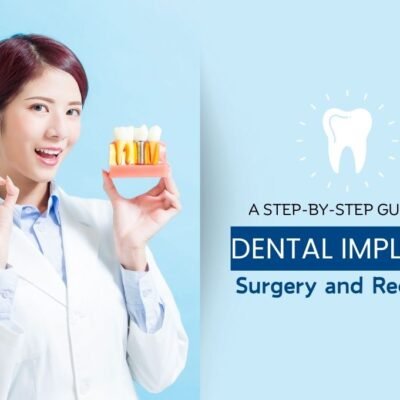
Types Of Dental Implants Dental implants are a revolutionary solution for replacing missing teeth, restoring both appearance and function.   Dental implants offer a permanent, natural-looking solution — but knowing the types and caring for them correctly makes all the difference. Whether you’re exploring your options or prepping for a procedure, stay informed and take care of your smile.   The best type of dental implant for an individual depends on various factors, including the patient’s overall health, the condition of their jawbone, and their specific needs and preferences.  Types of Dental Implants Endosteal Implants The most common type, placed directly into the jawbone. Best for patients with healthy bone density. Subperiosteal Implants Placed under the gum but above the jawbone, ideal for those who can’t undergo bone grafts. Zygomatic Implants Used when the upper jaw lacks bone — anchored into the cheekbone. Less common but extremely effective. Oral Health Tips for Implant Care Brush twice daily with a soft-bristle toothbrush and non-abrasive toothpaste. Floss using implant-friendly floss or interdental brushes. Avoid sticky, hard foods like caramel or nuts. Visit your dentist regularly for deep cleaning and checkups. What to Expect: Procedure Spotlight Step 1: Consultation – Your dentist evaluates your bone and oral health. Step 2: Implant Placement – The titanium post is inserted into the jawbone. Step 3: Healing & Osseointegration – Takes a few months for the implant to fuse with bone. Step 4: Crown Attachment – A custom crown is placed on top for a natural finish. Seasonal Tips: Timing Matters Some people prefer spring or winter for implant surgery because: Cooler weather helps with post-op swelling. You can recover during holidays or time off. Fewer social events mean more time to heal comfortably.

Types of Dental Implants Read Post »

Laser Dentistry in Prosper,TX

How Professional Teeth Whitening Can Transform Your Smile and Confidence?

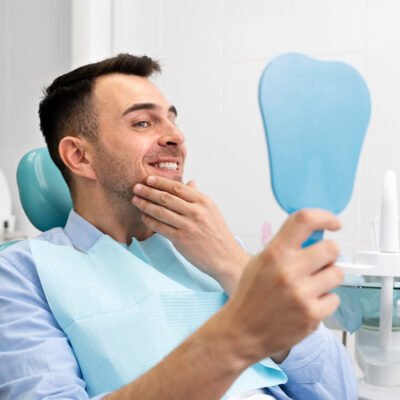
How Professional teeth Whitening Can Transform Your Smile And Confidence? Professional teeth whitening is more than just cosmetic — it’s a confidence game-changer. Whether you’re preparing for a life event or simply want to feel better about your smile, this quick, affordable treatment can make a world of difference.   A bright, white smile isn’t just a beauty goal — it’s a confidence booster. Over time, teeth can stain due to coffee, tea, tobacco, or aging. But with professional teeth whitening, you can reverse years of discoloration in just one session and smile with renewed self-assurance. Oral Health Tips: Brushing, Foods, Care While teeth whitening enhances your smile, maintaining those results requires good oral hygiene. Here are a few practical tips: Brush twice daily with a whitening or fluoride toothpaste Avoid staining foods and drinks like coffee, red wine, soy sauce, and berries Rinse your mouth or brush soon after consuming acidic or colored foods Use a straw to reduce contact with front teeth when drinking staining liquids Regular dental cleanings every 6 months help preserve your whitening results Perfect Timing: When to Get Your Teeth Professionally Whitened Planning for a wedding, job interview, or holiday photoshoot? Teeth whitening is one of the quickest ways to elevate your look. Here’s when many patients opt for whitening: Before a major event (weddings, graduations, birthdays) During the festive season (for picture-perfect family photos) New Year/New You transformations Summer vacation prep for a fresh, radiant smile Expectations and Guidance Professional teeth whitening at a dental clinic is safe, fast, and highly effective compared to over-the-counter options. Here’s what to expect: Before the procedure: Your dentist will examine your teeth and gums A shade guide will help determine your current and desired tooth color During the procedure: Gums are protected using a barrier A whitening gel (usually hydrogen peroxide-based) is applied In some cases, a special light activates the gel to enhance the effect Aftercare tips: Avoid food/drinks that can stain for 24–48 hours Expect some sensitivity for a short time — desensitizing gel may help Follow your dentist’s instructions for touch-ups

How Professional Teeth Whitening Can Transform Your Smile and Confidence? Read Post »

Scroll to Top