Tooth Extractions

Tooth Extractions in McKinney, TX
Extractions at Procare Dental Studio are performed with a focus on comfort, precision, and patient care. We understand that the thought of a tooth extraction can feel overwhelming, which is why our goal is to make your experience as gentle, comfortable, and stress-free as possible, from the moment you walk in to your full recovery.
Whether you need a simple tooth extraction, emergency tooth removal, or wisdom tooth extraction in McKinney, Dr. Karishma Sheikh uses modern, minimally invasive techniques to ensure a smooth and comfortable experience.
When is a Tooth Extraction Necessary?
A toothache can be one of the most uncomfortable experiences, often caused by infection, decay, or injury. While we always try to save your natural tooth whenever possible, sometimes extraction is the best option to relieve pain and protect your overall oral health.
Common reasons for tooth extraction includes:
Severe Tooth Decay:
When decay reaches the inner portion of the tooth, it can cause significant pain and infection. While root canal treatment may help, extraction may be necessary if the damage is too extensive.
Gum Disease (Periodontal Disease):
Advanced gum disease can weaken the bone supporting your teeth. In certain cases, removing the affected tooth helps prevent further damage.
Impacted Wisdom Teeth:
Wisdom teeth often don’t have enough space to come in properly, leading to pain, swelling, or infection. We provide impacted wisdom tooth removal with a gentle, precise approach.
Overcrowding & Orthodontic Treatment:
Sometimes teeth need to be removed to create space for proper alignment, especially before braces.
Trauma or Injury:
Teeth that are severely broken, cracked, or knocked out may not always be restorable and may require extraction.
Failed Root Canal:
In rare cases, a previously treated root canal tooth may not heal properly, and extraction becomes necessary.
Bone Grafting After Extraction:
We recommend bone grafting after tooth extraction to preserve the natural shape and strength of your jawbone.
Bone grafting:
Helps maintain bone volume after tooth removal. Prepares the area for future dental implants. Prevents long-term bone loss. This is especially important if you’re considering replacing the tooth in the future.
What to Expect During Your Tooth Extraction
Your visit is designed to be calm, comfortable, and reassuring:
1. Comfort First: The area is fully numbed so you won’t feel pain, only gentle pressure.
2. Relaxation Options: We offer nitrous oxide (laughing gas), oral sedation, and IV sedation to help you feel completely at ease during your visit.
3. Gentle Removal: The tooth is removed using precise, minimally invasive techniques to reduce discomfort and promote faster healing.
4. Supportive Experience: Our team ensures you feel informed, relaxed, and cared for every step of the way.
5. Simple Recovery Guidance: You’ll receive clear, easy-to-follow instructions to help you heal comfortably at home.
6. Recovery & Healing
Most patients are pleasantly surprised by how manageable recovery is. Mild soreness and swelling are normal and temporary. Most patients return to daily activities within a few days. We guide you step-by-step to avoid complications like dry socket .Our team is always available if you have any questions during healing.
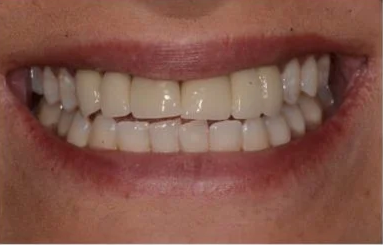
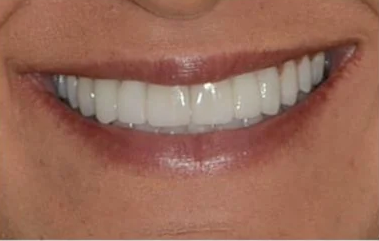
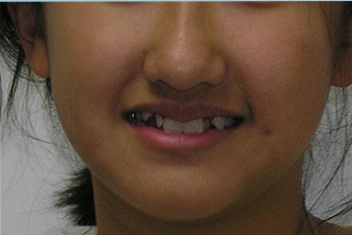
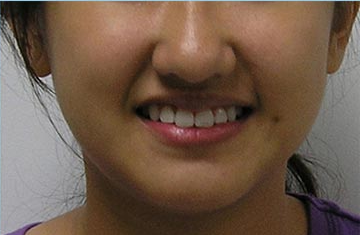
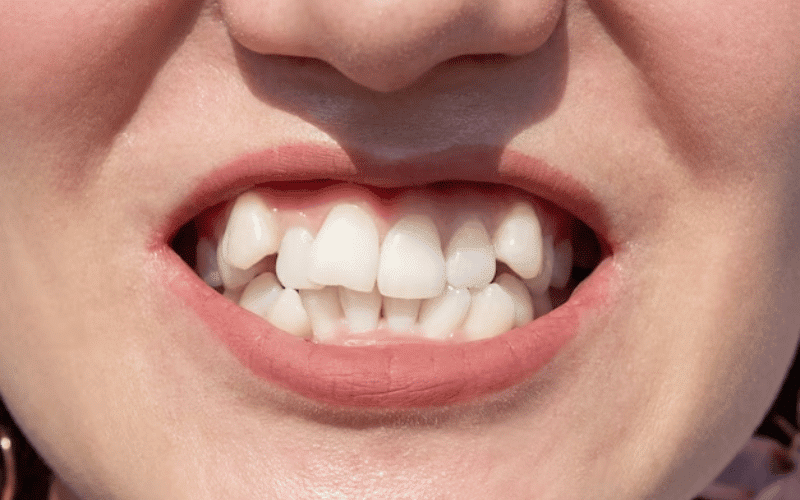
Smile photos in the before-and-after examples above are illustrative stock images, not photos of ProCare Dental Studio patients.
FAQS
No. The area is completely numbed, so you won’t feel pain, only pressure. Sedation options are also available for added comfort.
We offer nitrous oxide, oral sedation, and IV sedation to ensure a relaxed experience tailored to your needs.
Most extractions take about 20-40 minutes, though impacted wisdom teeth may take longer.
Eat a light meal (unless instructed otherwise), take medications as directed, and arrange transportation if you’ll be sedated.
Stick to soft foods like yogurt, mashed potatoes, and soups. Avoid straws and hard or spicy foods.
Initial healing takes a few days, with complete healing over a few weeks.
Dry socket occurs when the blood clot is lost too early. Avoid straws, smoking, and forceful rinsing to prevent it. Follow all the post op instructions provided.
In many cases, yes. We may recommend dental implants, bridges, or partial dentures to restore function.
Yes, we provide same-day emergency care whenever possible.
Absolutely. We specialize in helping patients feel calm and comfortable, and sedation options are always available.