
Adult Dental Sealants in Mckinney City: An Easy Method to Avoid Cavities You May Not Have Thought of
You might have had one or two, but nothing serious. Your dentist has undoubtedly advised you to continue taking good care of your teeth. However, adult dental sealants are a straightforward, painless, 20-minute preventive procedure that virtually no adult is offered and that can dramatically reduce your long-term cavity risk.
Sealants are known to be “a kid thing.” Most adults assume that the conversation ended when your 6-year-old and 12-year-old molars were treated with them by your pediatric dentist decades ago. It shouldn’t have. Sealants are among the most effective preventive measures available in modern dentistry for the appropriate adult patient.
Adult dental sealants are available at ProCare Dental Studio in Mckinney City as part of a contemporary preventative treatment strategy, particularly for patients who brush and floss regularly yet continue to develop little cavities on their molars.
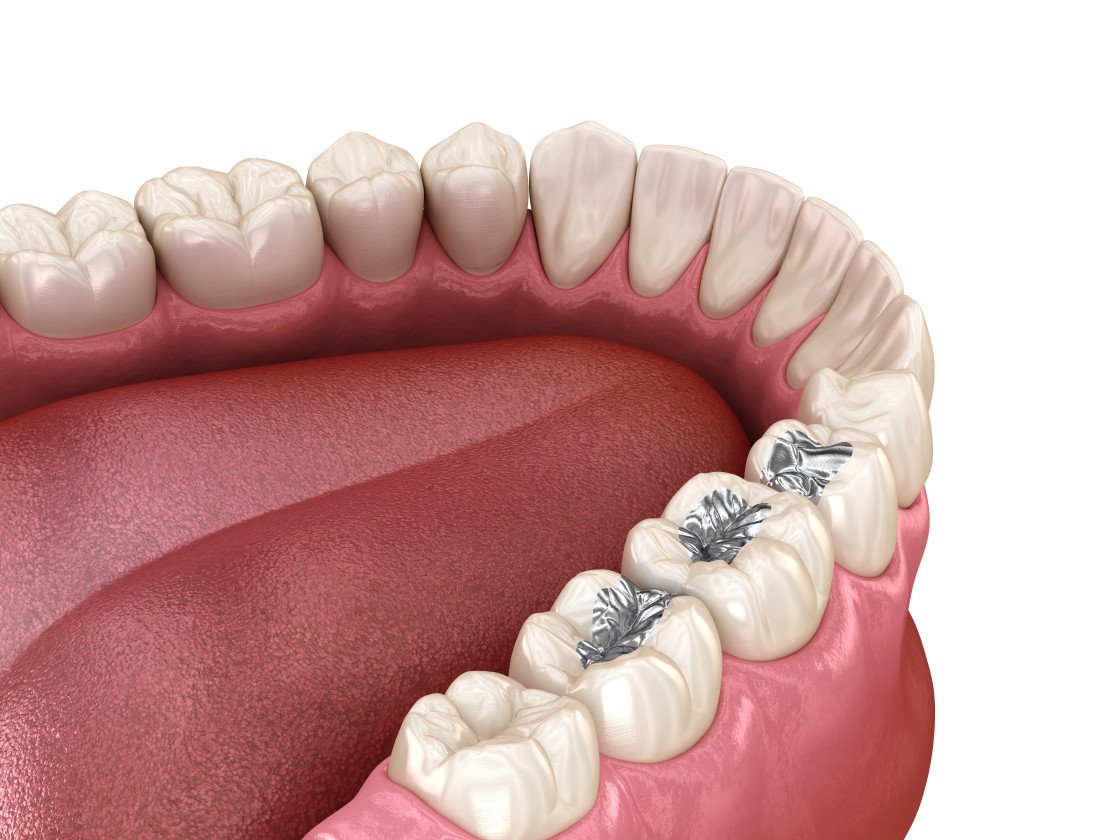
What Are Adult Dental Sealants?
A dental sealant is a thin layer of tooth-colored resin that is applied to the deep pits and cracks on your back teeth’s chewing surface. It creates a smooth, protective barrier after being cured with a blue laser, keeping out food particles and bacteria that may otherwise become stuck in those tiny cracks.
The issue that sealants address is that, even with excellent brushing, a toothbrush’s bristles are physically too large to reach the bottom of many of your molars’ natural grooves. The majority of adult cavities actually begin there, in the pits where plaque resides undisturbed rather than on the smooth surfaces. According to research, sealed teeth have a significantly lower chance of developing decay on their chewing surfaces, and the American Dental Association acknowledges sealants as a safe, evidence-based preventive therapy.
The Adult Sealant Process at ProCare Dental Studio
Step 1: Clean and isolate. We thoroughly clean the chewing surfaces and keep the area dry using cotton isolation and gentle suction. The process requires no drilling, injections, or removal of healthy tooth structure since sealants are completely additive.
Step 2: Condition the surface. A gentle etching solution is placed on the enamel for around 15 seconds before being rinsed away. This creates a slightly textured surface that helps the sealant bond securely, and the procedure is completely painless.
Step 3: Paint on the sealant. A thin coating of liquid resin is carefully applied into the grooves and tiny pits of each tooth, reaching areas that are difficult to clean with regular brushing.
Step 4: Cure with light. A specialized blue LED curing light hardens the sealant in approximately 20 seconds per tooth. After the treatment is complete, you can return to eating and drinking as usual right away.
How Long Do Adult Dental Sealants Last?
With typical wear, properly applied sealants can endure for many years, frequently ten or more. We visually inspect and use an explorer to verify the integrity of each sealant during your routine cleanings. We can touch up a particular tooth in a matter of minutes if we ever notice a tiny chip or worn spot.
Sealants are similar to a car’s paint job in that they provide long-lasting protection from the weather but do not replace the metal. It will eventually require a touch-up. That is entirely typical and anticipated.
Am I a Good Candidate for Adult Sealants in Mckinney City?
Your back teeth still have pronounced grooves and crevices. Some people naturally have deeper tooth anatomy, and it’s usually easy to spot during a routine exam.
Even with solid brushing and flossing habits, you’ve had one or two minor cavities on the chewing surfaces over the past few years.
You regularly drink beverages like coffee, sparkling water, or kombucha. Their acidity can weaken enamel and increase the risk of tooth decay in the pits and grooves of teeth.
Your busy professional schedule makes preventing future fillings more appealing than finding time for treatment later.
There are already early warning signs in the grooves of your teeth, such as staining or sticky areas, even though a true cavity hasn’t formed yet.